
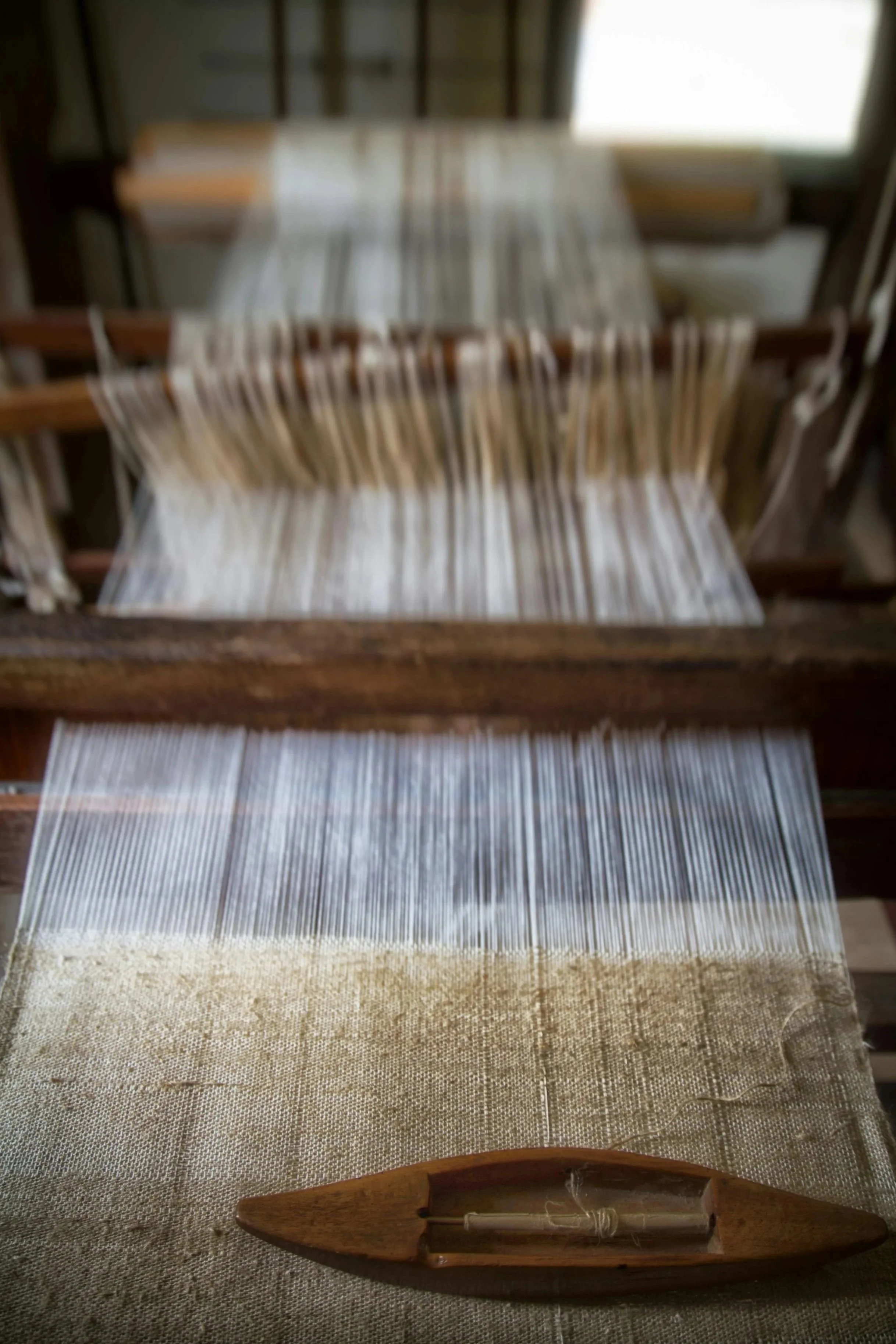

Design informed by memory, place, and purpose.
Created Consciously explores how ancestral knowledge, material intelligence, and community-rooted practices can guide contemporary design. This section reflects on projects, systems, and ideas developed in harmony with land and communities, revealing how innovation often emerges not from novelty, but from continuity, restraint, and respect.
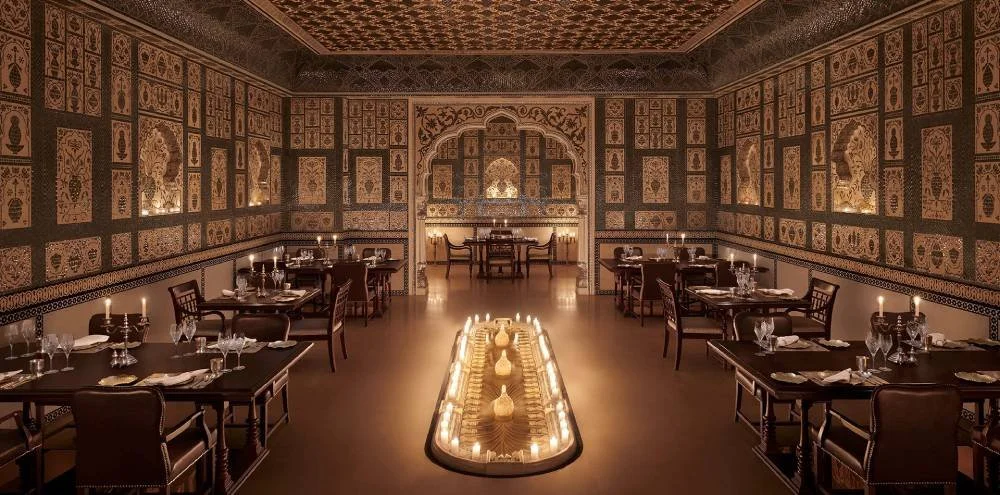
JAMAVAR AT THE LEELA PALACE
There is no switch that transforms the room. Instead, a flame is lit. What follows is less an act of illumination than one of multiplication. More than 350,000 individually hand-cut mirrors begin to awaken, scattering candlelight across walls, ceilings, arches, and alcoves until a single source of light appears to exist everywhere at once.
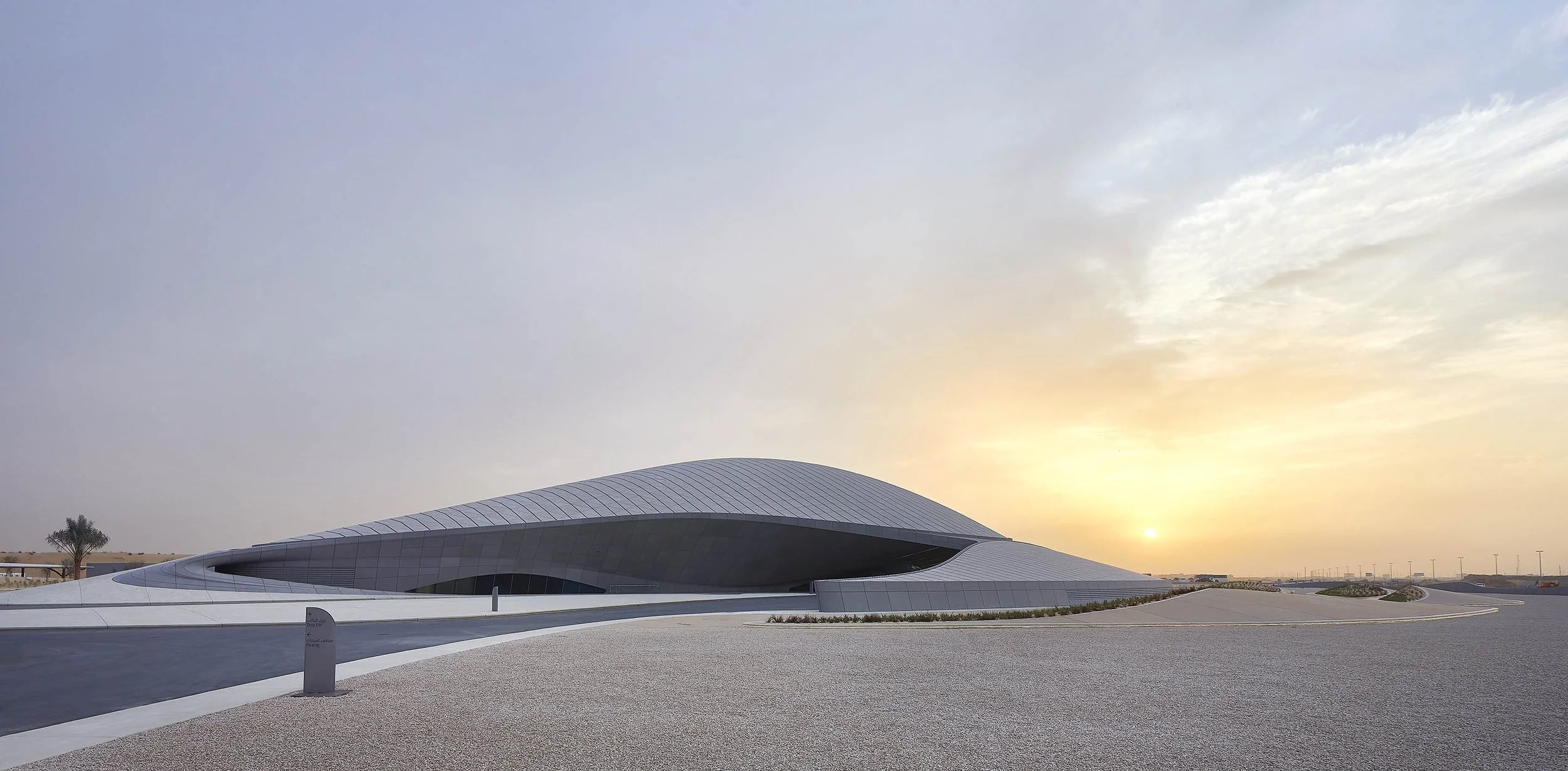
BEEAH HEADQUARTERS
Before buildings could command a climate, people had to listen to it. Across the Gulf, architecture evolved through close observation of sun, wind, heat, shade, humidity, and the movement of air. Courtyards created protected microclimates. Thick walls slowed the passage of heat. Wind towers captured prevailing breezes. Screens filtered intense sunlight while allowing air to move through. Openings were carefully considered rather than maximized. Architecture was not expected to overcome the climate; it was shaped in response to it.
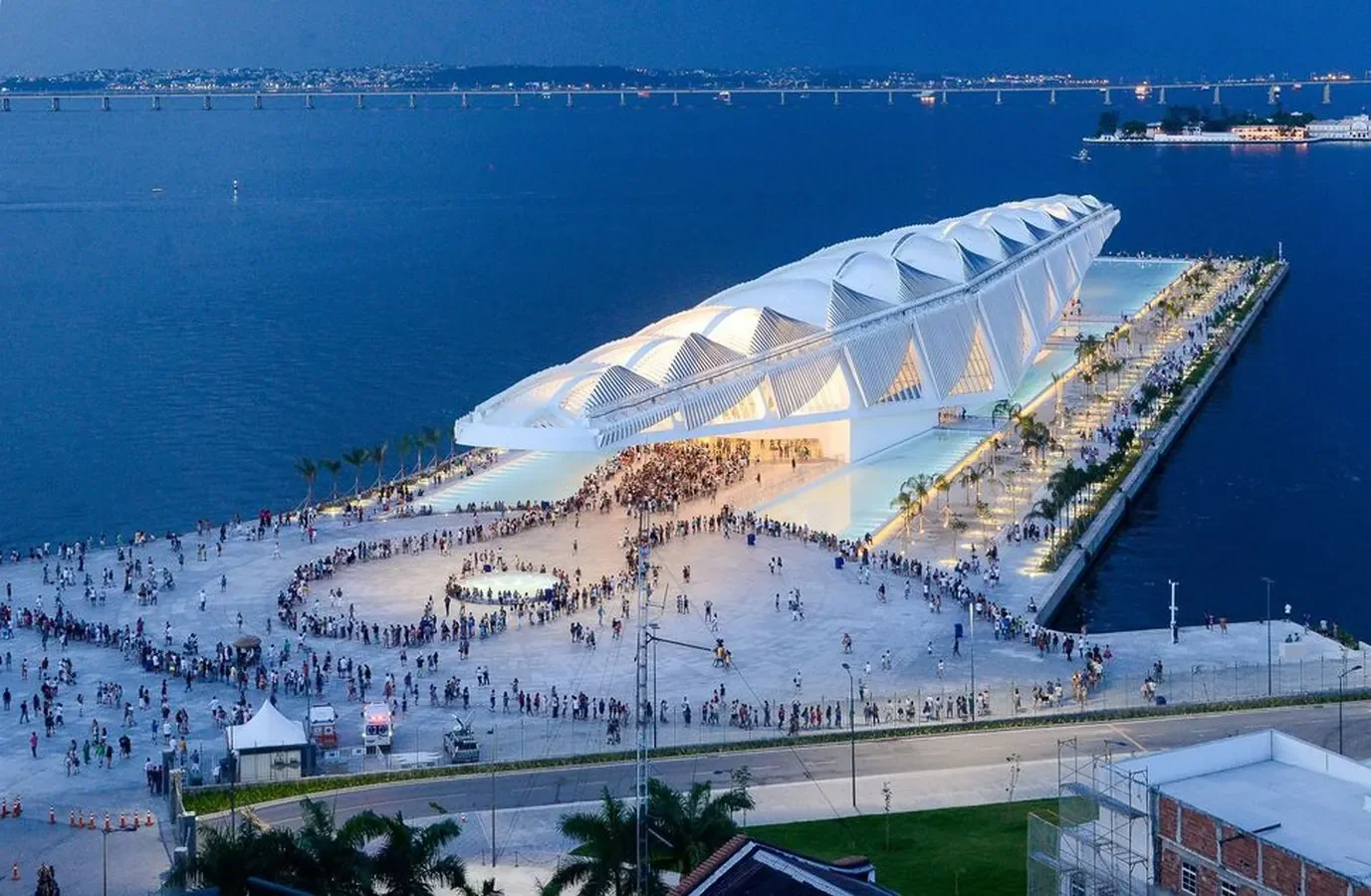
MUSEUM OF TOMORROW
Some of the most important design decisions are the ones we never see. While architecture is often evaluated through form, materiality, and visual impact, the systems that sustain a building—how it captures resources, circulates energy, manages waste, and responds to environmental conditions—frequently remain hidden from view. Yet these invisible networks often determine whether a project merely occupies a place or actively participates in it.
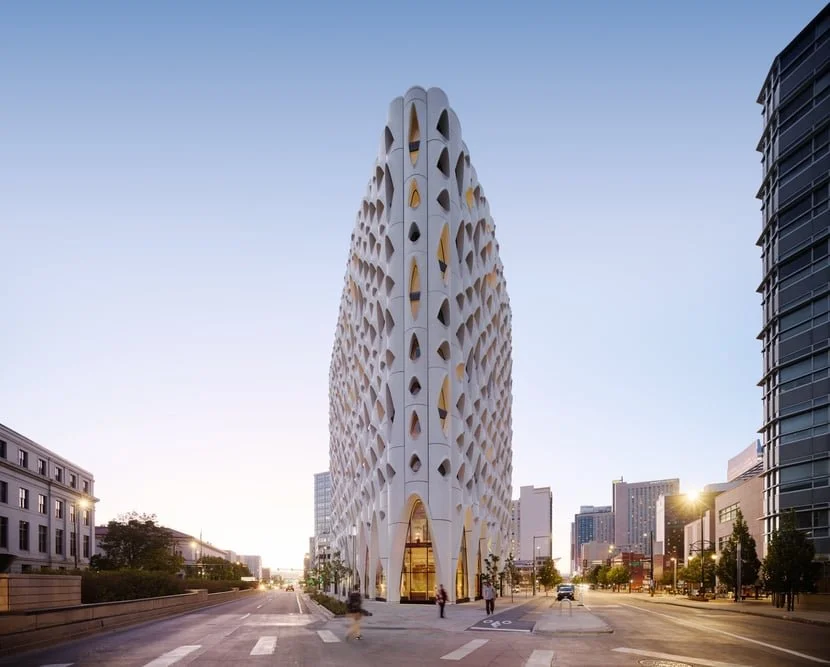
POPULUS: REGENERATIVE MATERIALS ROOTED IN PLACE
Rising in downtown Denver, the Populus Hotel demonstrates how regenerative materials, ecological systems, and contemporary hospitality can coexist without sacrificing beauty, comfort, or cultural resonance. Rather than positioning sustainability as an aesthetic compromise, Populus reframes it as a design language—one capable of connecting urban life back to the intelligence of the natural world.
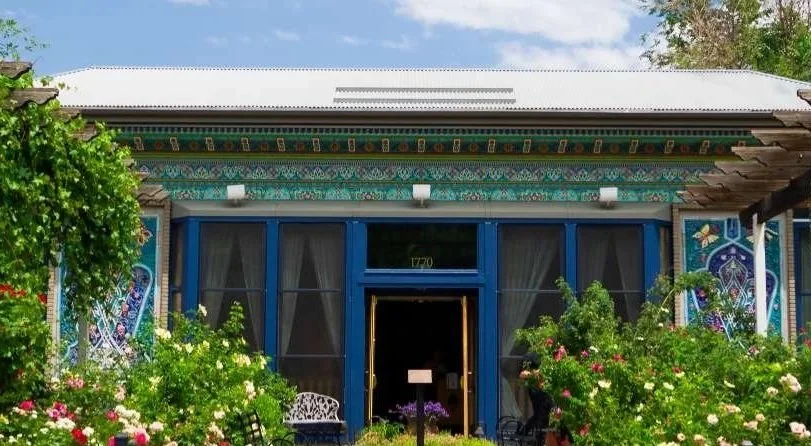
BOULDER DUSHANBE TEAHOUSE
The Boulder Dushanbe Teahouse exists as a convergence of time, place, and people—an architectural translation of cultural continuity. Conceived as a gesture of friendship between sister cities, the teahouse was entirely conceived, designed, and realized in Tajikistan before being carefully dismantled, transported, and reconstructed in Colorado. Every surface carries the imprint of human touch
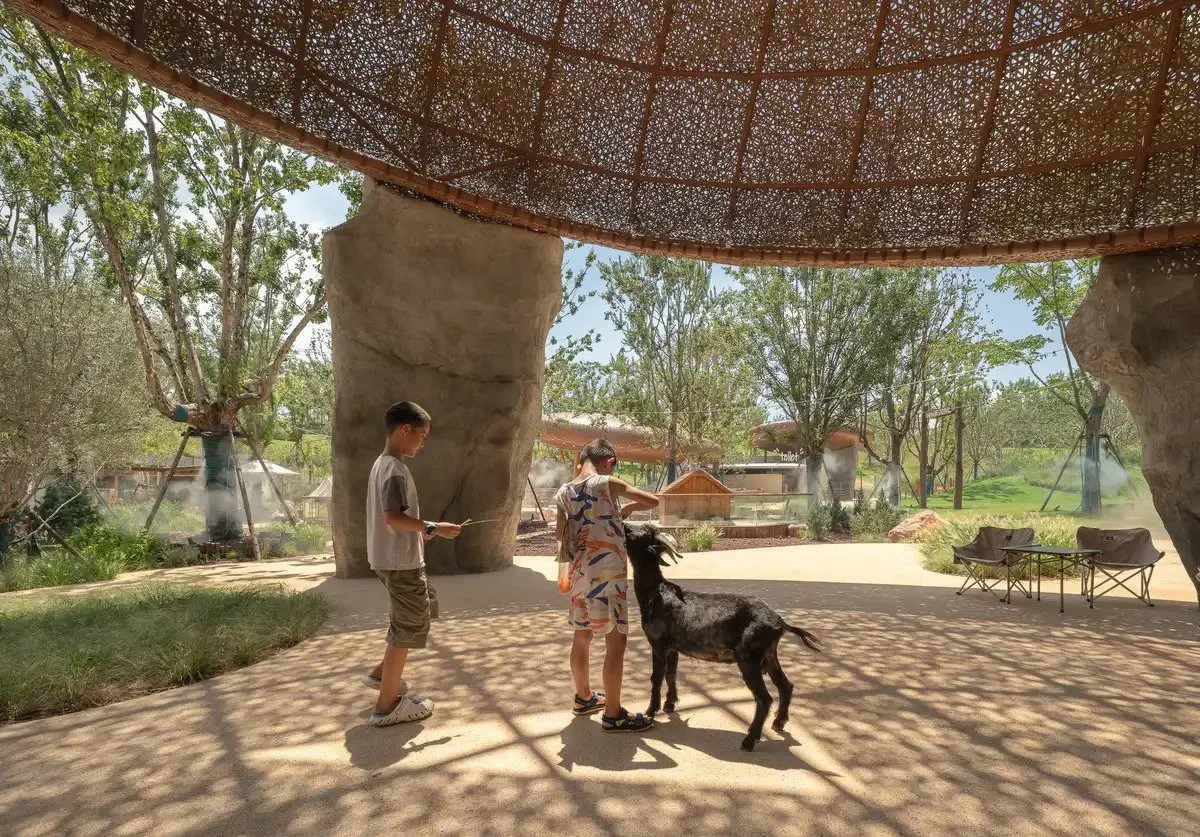
LUXEOASIS
LUXEOASIS is a study in restraint - architecture that listens first to land, culture, and ecology before asserting form. Anchored along the Zhujia River, the project is shaped from materials natural to the region, including bamboo, timber, stone, and the site’s distinctive red earth. These elements are left largely unadorned, allowing texture, patina, and imperfection to express an honest relationship between the built environment and the landscape it inhabits.
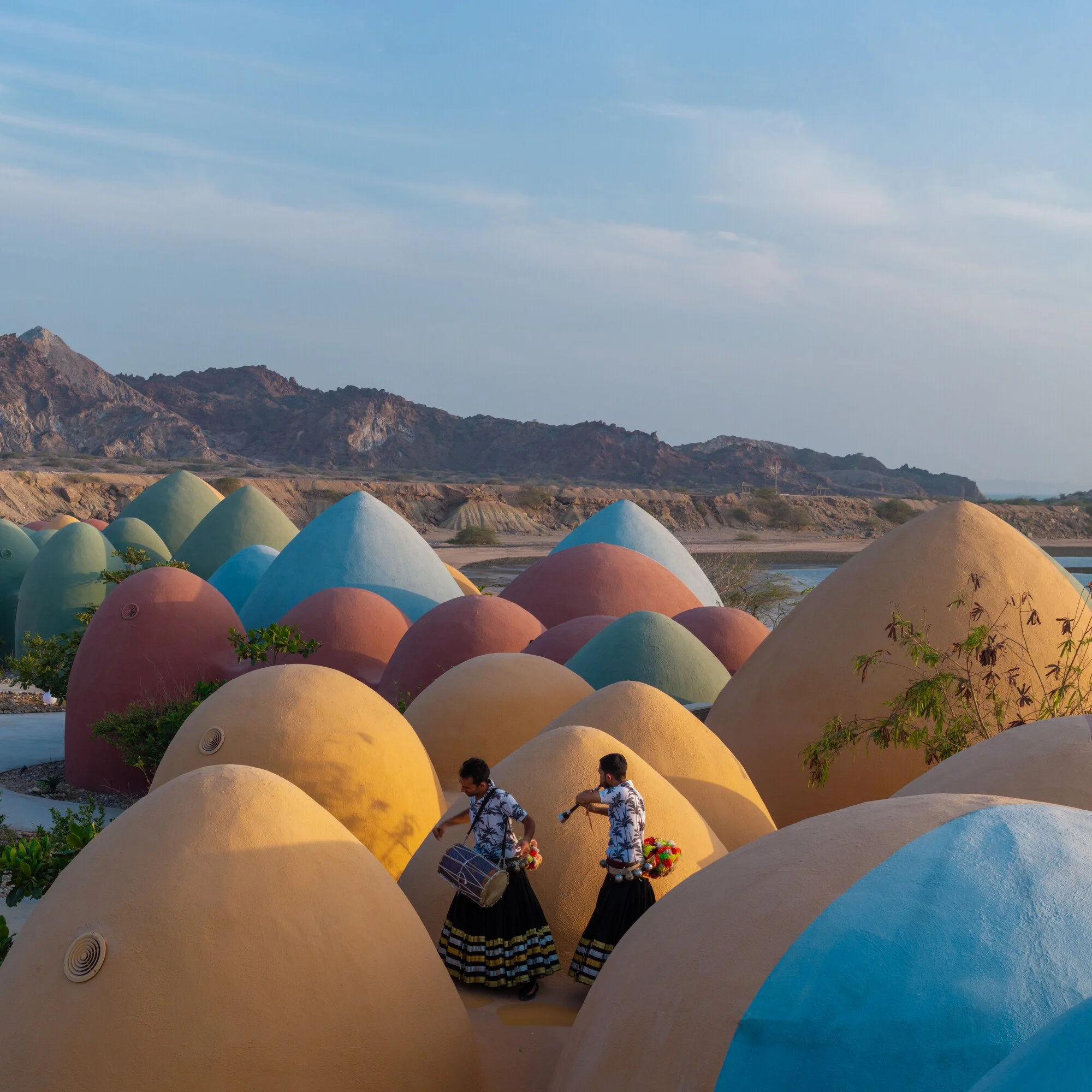
MAJARA COMPLEX & COMMUNITY REDEVELOPMENT
On Hormuz Island, affectionately known as the “Rainbow Island” for its multicoloured geological formations, is the Majara Complex & Community Redevelopment a large-scale redevelopment in systems of knowledge that predate industrial construction. Instead of importing architectural conventions that negate context, the project revives super-adobe - an earthbag method pioneered by Iranian-American architect Nader Khalili as a means to both build and teach.
This is a living system. It will grow deliberately.
Members may request deeper intelligence. If you are exploring a specific material, object, or spatial question, I welcome thoughtful inquiries.